
curtains :Some curtains design
Curtains posts—also known as curtains pole caps or finials—serve both functional and decorative roles in window treatments. These elegant accents cap the ends of curtain poles or posts, keeping drapery panels securely in place while also enhancing visual interest. Available in a wide array of materials and styles—from sleek stainless steel to carved hardwood and ornate wrought iron—they complement everything from ultra‑modern interiors to richly traditional spaces AlibabaWikipeda.
In addition to finials, “curtains posts” may refer to decorative posts themselves—fixtures that hold up curtain rods or tracks—in single‑rod installations. Their function is dual: structural support and style. The right curtain post not only ensures smooth curtain operation, but also unifies the window treatment with the room’s broader design aesthetic.
This deep‑dive explores: material choices, styling options, installation guidance, sizing norms, trending design looks, and maintenance strategies.
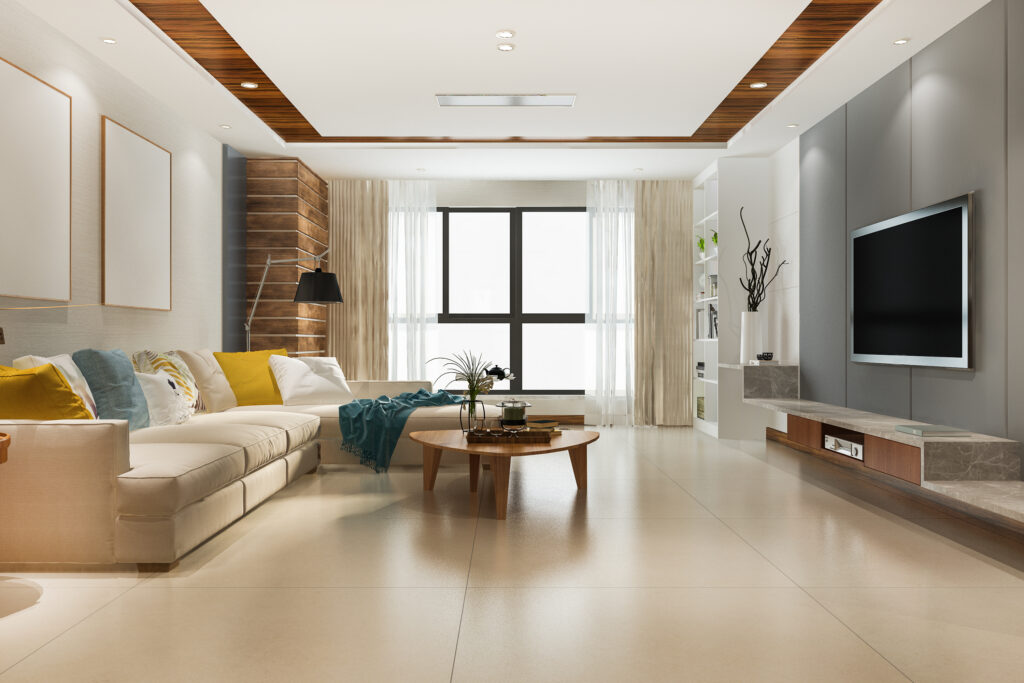
living room with bookshelf near bookshelf
2. Materials & Design Styles (≈ 400 words)
Materials
- Metal (e.g. stainless steel, aluminium, brass): ideal for modern and minimalist interiors. They offer durability, clean lines, and low maintenance Alibaba.
- Wood (e.g. oak, walnut, painted hardwood): provides warmth and natural texture. Carved wooden posts can evoke traditional or rustic charm AlibabaWikipedia.
- Wrought Iron: strong and decorative, often used in ornate or classical schemes.
- Composite / Resin / Acrylic: versatile and affordable; often used for decorative caps in bold shapes or motifs Alibaba.
- Metal (e.g. stainless steel, aluminium, brass): ideal for modern and minimalist interiors. They offer durability, clean lines, and low maintenance Alibaba.
- Wood (e.g. oak, walnut, painted hardwood): provides warmth and natural texture. Carved wooden posts can evoke traditional or rustic charm AlibabaWikipedia.
- Wrought Iron: strong and decorative, often used in ornate or classical schemes.
- Composite / Resin / Acrylic: versatile and affordable; often used for decorative caps in bold shapes or motifs Alibaba.
Design Styles
- Traditional / Classic: turnecurtains d wood, scrolls, acanthus leaves, or filigree iron. Think ornate legacy centres, theatre‑style finishes.
- Traditional / Classic: turnecurtains d wood, scrolls, acanthus leaves, or filigree iron. Think ornate legacy centres, theatre‑style finishes.
- Traditional / Classic: turnecurtains d wood, scrolls, acanthus leaves, or filigree iron. Think ornate legacy centres, theatre‑style finishes.
- Traditional / Classic: turnecurtains d wood, scrolls, acanthus leaves, or filigree iron. Think ornate legacy centres, theatre‑style finishes.
- Traditional / Classic: turnecurtains d wood, scrolls, acanthus leaves, or filigree iron. Think ornate legacy centres, theatre‑style finishes.
- Traditional / Classic: turnecurtains d wood, scrolls, acanthus leaves, or filigree iron. Think ornate legacy centres, theatre‑style finishes.
- Traditional / Classic: turnecurtains d wood, scrolls, acanthus leaves, or filigree iron. Think ornate legacy centres, theatre‑style finishes.
- Traditional / Classic: turnecurtains d wood, scrolls, acanthus leaves, or filigree iron. Think ornate legacy centres, theatre‑style finishes.
- Contemporary / Minimalist: sleek posts with geometric or minimal finials—cubes, spheres, simple rods. No fuss, no ornament.
- Traditional / Classic: turnecurtains d wood, scrolls, acanthus leaves, or filigree iron. Think ornate legacy centres, theatre‑style finishes.
- Motif‑based or Thematic: elements shaped like animals, flowers, cultural symbols—ideal for eclectic, theme‑based décor Alibaba.
- Ornamental / Decorative: resin or carved finishes with elaborate detail, fine-look filigree—perfect for vintage or high-end historic interiors Alibaba.
3. Choosing the Right Curtain Post & Finial (≈ 400 words)
Match with Overall Decor
- Minimal, industrial interiors → choose metal or acrylic posts with clean geometries.
- Rustic, vintage, or colonial‑style environments → wood or wrought iron posts with intricate carving or patina.
- Rustic, vintage, or colonial‑style environments → wood or wrought iron posts with intricate carving or patina.
- Colour‑themed spaces or children’s rooms → motif posts (e.g. animal shapes, floral elements) offer character.
Curtain Weight & Window Dimensions
- Heavy drapes / blackout curtains → require strong support: wrought iron or thick metal rods/posts.
- Lightweight sheers or linen panels → can use wood or acrylic without straining the fixture Alibaba.
- Oversized windows or double width spans may require double‑rod systems, multiple posts, or centre supports.
- Extend rods 10–15 cm beyond frame on either side for fullness and ease of opening helplease.netcurtainsdubaionline.aeBetter Homes & Gardens.
Curtain posts—also known as curtain pole caps or finials—serve both functional and decorative roles in window treatments. These elegant accents cap the ends of curtain poles or posts, keeping drapery panels securely in place while also enhancing visual interest. Available in a wide array of materials and styles—from sleek stainless steel to carved hardwood and ornate wrought iron—they complement everything from ultra‑modern interiors to richly traditional spaces AlibabaWikipeda.
In addition to finials, “curtain posts” may refer to decorative posts themselves—fixtures that hold up curtain rods or tracks—in single‑rod installations. Their function is dual: structural support and style. The right curtain post not only ensures smooth curtain operation, but also unifies the window treatment with the room’s broader design aesthetic.
This deep‑dive explores: material choices, styling options, installation guidance, sizing norms, trending design looks, and maintenance strategies.
2. Materials & Design Styles (≈ 400 words)
Materials
- Metal (e.g. stainless steel, aluminium, brass): ideal for modern and minimalist interiors. They offer durability, clean lines, and low maintenance Alibaba.
- Wood (e.g. oak, walnut, painted hardwood): provides warmth and natural texture. Carved wooden posts can evoke traditional or rustic charm AlibabaWikipedia.
- Wrought Iron: strong and decorative, often used in ornate or classical schemes.
- Composite / Resin / Acrylic: versatile and affordable; often used for decorative caps in bold shapes or motifs Alibaba.
- Metal (e.g. stainless steel, aluminium, brass): ideal for modern and minimalist interiors. They offer durability, clean lines, and low maintenance Alibaba.
- Wood (e.g. oak, walnut, painted hardwood): provides warmth and natural texture. Carved wooden posts can evoke traditional or rustic charm AlibabaWikipedia.
- Wrought Iron: strong and decorative, often used in ornate or classical schemes.
- Composite / Resin / Acrylic: versatile and affordable; often used for decorative caps in bold shapes or motifs Alibaba.
Design Styles
- Contemporary / Minimalist: sleek posts with geometric or minimal finials—cubes, spheres, simple rods. No fuss, no ornament.
- Traditional / Classic: turned wood, scrolls, acanthus leaves, or filigree iron. Think ornate legacy centres, theatre‑style finishes.
- Motif‑based or Thematic: elements shaped like animals, flowers, cultural symbols—ideal for eclectic, theme‑based décor Alibaba.
- Ornamental / Decorative: resin or carved finishes with elaborate detail, fine-look filigree—perfect for vintage or high-end historic interiors Alibaba.
3. Choosing the Right Curtain Post & Finial (≈ 400 words)
Match with Overall Decor
- Minimal, industrial interiors → choose metal or acrylic posts with clean geometries.
- Rustic, vintage, or colonial‑style environments → wood or wrought iron posts with intricate carving or patina.
- Rustic, vintage, or colonial‑style environments → wood or wrought iron posts with intricate carving or patina.
- Colour‑themed spaces or children’s rooms → motif posts (e.g. animal shapes, floral elements) offer character.
Curtain Weight & Window Dimensions
- Heavy drapes / blackout curtains → require strong support: wrought iron or thick metal rods/posts.
- Lightweight sheers or linen panels → can use wood or acrylic without straining the fixture Alibaba.
- Oversized windows or double width spans may require double‑rod systems, multiple posts, or centre supports.
- Extend rods 10–15 cm beyond frame on either side for fullness and ease of opening helplease.netcurtainsdubaionline.aeBetter Homes & Gardens.
- Heavy drapes / blackout curtains → require strong support: wrought iron or thick metal rods/posts.
- Lightweight sheers or linen panels → can use wood or acrylic without straining the fixture Alibaba.
- Oversized windows or double width spans may require double‑rod systems, multiple posts, or centre supports.
- Extend rods 10–15 cm beyond frame on either side for fullness and ease of opening helplease.netcurtainsdubaionline.aeBetter Homes & Gardens.
- Heavy drapes / blackout curtains → require strong support: wrought iron or thick metal rods/posts.
- Lightweight sheers or linen panels → can use wood or acrylic without straining the fixture Alibaba.
- Oversized windows or double width spans may require double‑rod systems, multiple posts, or centre supports.
- Extend rods 10–15 cm beyond frame on either side for fullness and ease of opening helplease.netcurtainsdubaionline.aeBetter Homes & Gardens.
- Heavy drapes / blackout curtains → require strong support: wrought iron or thick metal rods/posts.
- Lightweight sheers or linen panels → can use wood or acrylic without straining the fixture Alibaba.
- Oversized windows or double width spans may require double‑rod systems, multiple posts, or centre supports.
- Extend rods 10–15 cm beyond frame on either side for fullness and ease of opening helplease.netcurtainsdubaionline.aeBetter Homes & Gardens.
- Heavy drapes / blackout curtains → require strong support: wrought iron or thick metal rods/posts.
- Lightweight sheers or linen panels → can use wood or acrylic without straining the fixture Alibaba.
- Oversized windows or double width spans may require double‑rod systems, multiple posts, or centre supports.
- Extend rods 10–15 cm beyond frame on either side for fullness and ease of opening helplease.netcurtainsdubaionline.aeBetter Homes & Gardens.
- Heavy drapes / blackout curtains → require strong support: wrought iron or thick metal rods/posts.
- Lightweight sheers or linen panels → can use wood or acrylic without straining the fixture Alibaba.
- Oversized windows or double width spans may require double‑rod systems, multiple posts, or centre supports.
- Extend rods 10–15 cm beyond frame on either side for fullness and ease of opening helplease.netcurtainsdubaionline.aeBetter Homes & Gardens.
- Heavy drapes / blackout curtains → require strong support: wrought iron or thick metal rods/posts.
- Lightweight sheers or linen panels → can use wood or acrylic without straining the fixture Alibaba.
- Oversized windows or double width spans may require double‑rod systems, multiple posts, or centre supports.
- Extend rods 10–15 cm beyond frame on either side for fullness and ease of opening helplease.netcurtainsdubaionline.aeBetter Homes & Gardens.
- Heavy drapes / blackout curtains → require strong support: wrought iron or thick metal rods/posts.
- Lightweight sheers or linen panels → can use wood or acrylic without straining the fixture Alibaba.
- Oversized windows or double width spans may require double‑rod systems, multiple posts, or centre supports.
- Extend rods 10–15 cm beyond frame on either side for fullness and ease of opening helplease.netcurtainsdubaionline.aeBetter Homes & Gardens.
Installation & Maintenance
- Some posts use spring‑loaded or tension systems—ideal for renters or drill‑free installs.
- Traditional models require brackets, screws, or anchors. This choice depends on wall type (drywall, brick, plaster) and curtain weight Stitchedhandyman-services-dubai.comcurtainsdubaionline.ae.
- Maintenance varies by material: metal and acrylic → wipe clean; wood → occasional varnish; wrought iron → anti‑rust care Alibaba.
4. Step‑by‑Step Installation Guide (≈ 800 words)
Tools & Preparation
Ensure you have:
- Measuring tape, pencil, level
- Drill and appropriate drill bits
- Wall anchors (for drywall or masonry)
- Screws, screwdrivers
- Ladder or step stool
- Curtain rods/poles with rings or gliders
- Finials/posts and any decorative caps
- Curtains — measured and pre‑steadyed (steamed or ironed) thecurtainlab.com.auTheAmberPostPier 1.
Step 1: Measure
- Measure the window width and add 10–15 cm (4–6 inches) per side for fullness and full stack‑back when curtains are drawn Better Homes & Gardenshelplease.netcurtainsdubaionline.ae.
- Determine height — typically 4–6 inches above the window frame, or close to ceiling for taller illusion; some designers mount just under crown moulding to visually elevate the space helplease.netLivingetcArchitectural Digest.
Step 2: Mark Brackets
Use level and pencil to mark bracket positions. For heavier curtain poles, install a centre bracket if width exceeds 2 m to prevent sag StitchedPier 1.
Step 3: Pre‑Drill & Install Anchors
Depending on wall type:
- Drywall: use expansion anchors
- Brick or masonry: use masonry anchors
- Stud: drill pilot hole into stud for maximum support curtainsdubaionline.aehandyman-services-dubai.comTheAmberPost.
Step 4: Attach Brackets
Secure brackets to wall—ensure alignment and even height. Tighten screws carefully (don’t overtighten) TheAmberPostStitched.
Step 5: Fit Pole & Add Finials
- Slide curtain rings or gliders onto the pole if required.
- Attach finials/posts to ends; tighten setscrews or bracket screws to hold pole in place Stitchedhelplease.net.
- Hide bracket behind ring/finial for seamless visual flow Stitched.
Step 6: Hang Curtains
- Position curtain panels evenly.
- Adjust pleats or folds so curtains hang straight.
- Use steamer or iron to remove wrinkles for polished finish thecurtainlab.com.auPier 1.
Step 7: Final Checks
- Test opening and closing to ensure smooth movement.
- Confirm rod is level and secure.
- Confirm finials/posts are properly affixed and aligned.
5. Common Mistakes & How to Avoid Them (≈ 400 words)
1. Under‑sized panels
- Using curtains narrower than twice the window width leads to skinny, skimpy drapes lacking fullness. Use at least ×2 width, with ×2.5 for extra lushness Better Homes & Gardens.
2. Wrong curtain length
- Curtains that hover just above the floor (“kissing”) look elegant without dragging or gathering. Avoid excessive pooling or too‑short hems that ruin scale The Sun.
3. Low rod placement
- Rods mounted too close to the window frame make rooms appear cramped. Move bracket 4–6 inches above frame—consider ceiling height for grand effect Better Homes & GardensLivingetchelplease.net.
4. Improper bracketing
- Failure to use wall anchors or find studs can lead to loose, unstable installations. Pre‑drill, align properly, and use suitable hardware for wall type handyman-services-dubai.comReddit.
5. Overlooking hardware aesthetics
- Finials and brackets mismatched with curtain style can clash. Choose hardware that complements your design—sleek modern posts with minimalist rods, ornate carved posts with classic pleated drapes PracticalFurnishWikipedia.
6. Styling with Curtain Posts & Accessories (≈ 400 words)
Layered Treatments
- Consider double rods: sheer voile behind outer drapes for privacy and flexibility.
- Use holdbacks or decorative rope ties to neatly draw panels aside and showcase finials or posts PracticalFurnishPier 1.
Finials as Focal Points
- Finials can go beyond utility: ornate spheres, sculpted forms, or abstract shapes that match lighting, hardware, or furniture finishes PracticalFurnishWikipedia.
Current Trend Feature: Two‑Tone Curtains
- Pair two-tone curtains (lighter top, darker bottom) to break up uniform color blocks, add dimension, and create a balanced composition. Darker bases anchor the space; lighter tops elevate it visually Livingetc.
- Integrate posts or finials with matching or contrasting shades to reinforce this layered style.
Colour Trends for 2025
- Move away from stark white or cool gray drapes—these are trending out. Instead, opt for warm neutrals (taupe, greige, mushroom) or deep jewel tones (navy, burnt orange) for a sophisticated vibe Homes and Gardens.
- Coordinate curtain posts accordingly: brushed brass, warm wood, or matte black supports warmly complement these richer tones.
7. Maintenance & Longevity (≈ 200 words)
- Metal posts/finials: dust regularly, wipe with a damp cloth. Use rust‑inhibitor on wrought iron.
- Wood posts: dust frequently and polish or refinish to prevent dryness, fading, or insect damage. Avoid excess moisture.
- Fabric panels: check manufacturer instructions. Machine‑washable or steamable fabrics are ideal. Heavier blackout or lined curtains may need professional cleaning.
- Periodically test bracket tightness and stability—especially if high‑traffic, child‑ or pet‑accessible areas.
7. Maintenance & Longevity (≈ 200 words)
- Metal posts/finials: dust regularly, wipe with a damp cloth. Use rust‑inhibitor on wrought iron.
- Wood posts: dust frequently and polish or refinish to prevent dryness, fading, or insect damage. Avoid excess moisture.
- Fabric panels: check manufacturer instructions. Machine‑washable or steamable fabrics are ideal. Heavier blackout or lined curtains may need professional cleaning.
- Periodically test bracket tightness and stability—especially if high‑traffic, child‑ or pet‑accessible areas.
8. Conclusion & Long‑Term Considerations (≈ 200 words)
Choosing well‑made, stylish curtain posts elevates even a simple window treatment. Whether your space is sleek and modern, cozy and traditional, or whimsically themed, the right combination of material, finial design, rod placement, and installation technique can dramatically enrich the visual appeal and function of your curtains.
By avoiding common mistakes—like undersized panels, improper placement, or mismatched hardware—you ensure not only beautiful drapery but also lasting reliability. Trends in 2025 encourage thoughtful colour palettes, layering with two‑tone fabrics, and understated yet impactful hardware that aligns with your home’s overall aesthetic.
Proper upkeep—dusting, tightening, refinishing—keeps your curtain setup looking fresh for years. And always remember: even the smallest detail, like a well‑chosen finial or post cap, can make a statement.